MinuteRead
30 min
Book summary
by David Callahan
Premium summary · Opens in the app · 30 min read
In 2010, Bill Gates and Warren Buffett launched the Giving Pledge, asking the world's billionaires to commit at least half their wealth to philanthropy. The response was remarkable. By 2015, more than 130 individuals and couples had signed on, promising hundreds of billions of dollars to charitable causes. The media celebrated. Pundits praised a new era of generosity. The public applauded.
By David Callahan
**Estimated Reading Time:** 2 hours 15 minutes
**What You'll Learn:** - How billionaire philanthropists are reshaping American democracy, cities, science, and education - Why private giving has become a form of unelected power that rivals government influence - The diverse motivations, strategies, and networks driving modern mega-philanthropy - What reforms could restore balance between philanthropic freedom and civic equality
**Who This Book Is For:** This book is for anyone who wants to understand how power actually works in twenty-first century America. It is for citizens who sense that something has shifted in the relationship between wealth and democracy but cannot quite articulate what. It is for nonprofit professionals, policy makers, journalists, and students who need a clear-eyed view of the philanthropic landscape. And it is for donors themselves, who may be wrestling with questions about their own influence and responsibility.
In 2010, Bill Gates and Warren Buffett launched the Giving Pledge, asking the world's billionaires to commit at least half their wealth to philanthropy. The response was remarkable. By 2015, more than 130 individuals and couples had signed on, promising hundreds of billions of dollars to charitable causes. The media celebrated. Pundits praised a new era of generosity. The public applauded. But something more complicated was happening beneath the surface. The rise of mega-philanthropy is not simply a story of generosity scaling up. It is a story about power: who has it, how it is exercised, and what it means for democratic self-governance. When Mark Zuckerberg pledges $45 billion to "advance human potential," he is not just writing a check. He is making decisions about which problems deserve attention, which solutions should be funded, and which voices should be amplified. Those decisions affect millions of people. Yet no one elected Mark Zuckerberg to make them. This book examines that tension. It is not an attack on philanthropy. David Callahan, the founder of Inside Philanthropy, has spent years studying wealthy donors and their foundations. He recognizes that private giving has accomplished extraordinary things: funding medical breakthroughs, supporting struggling communities, advancing civil rights, and preserving cultural treasures. The question is not whether philanthropy can do good. The question is whether the current system, in which a tiny number of ultra-wealthy individuals wield enormous influence over public life, is compatible with a healthy democracy. The stakes are high. America is living through a second Gilded Age, with wealth concentrated at levels not seen since the robber barons of the late nineteenth century. The top 0.1 percent now controls more wealth than at any point in modern history. At the same time, government capacity has eroded. Decades of tax cuts, budget battles, and political polarization have left public institutions starved for…
Continue reading in the MinuteRead app
Get the complete 30-minute summary of The Givers
Get the complete summary in the appPhilanthropy is power, not just charity. Wealthy donors shape public priorities, influence policy, and remake communitie
The rise of mega-philanthropy is driven by unprecedented wealth concentration and declining government capacity.
The tax deduction for charitable giving means the public subsidizes the philanthropic choices of the wealthy.
Hyperagency drives modern mega-donors: they believe they can solve hard problems because they have solved hard problems
Ideological philanthropy is a long-term investment in shaping the intellectual landscape, and both left and right are pl
Urban philanthropy fills gaps left by declining public investment, but it shifts decision-making from democratic process
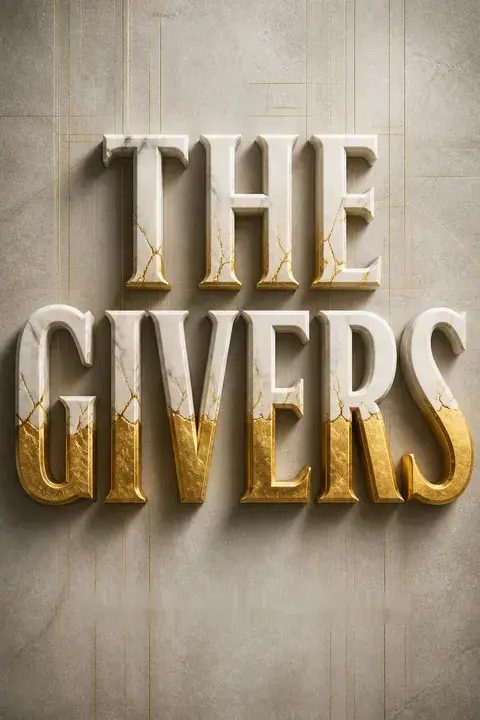
"The Givers" is a strong fit if you want practical ideas around politics, economics, business, especially themes like philanthropy is power, not just charity. wealthy donors shape public priorities, influence policy, and remake communitie; the rise of mega-philanthropy is driven by unprecedented wealth concentration and declining government capacity. The MinuteRead summary distills these concepts into a focused read, whether you're deciding whether to buy the book or applying its lessons at work.
Motivated to help readers with to put things differently, David Callahan wrote “The Givers” to package those ideas for a fast, focused read. In “The Givers”, David Callahan focuses on to put things differently. Through “The Givers”, David Callahan distills the core ideas on politics into lessons readers can absorb in a single short sitting. Readers turn to this work when they want David Callahan's perspective on the subject without working through the entire original volume. The Givers: Wealth, …
Continue Reading
Access the complete 30-minute summary and thousands more nonfiction books in the MinuteRead app.

Continue reading the complete summary in the MinuteRead app.