MinuteRead
30 min
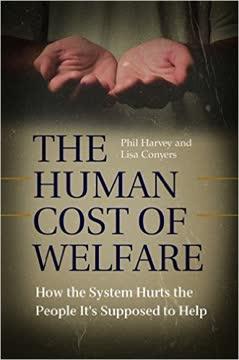
Book summary
by Phil Harvey
Premium summary · Opens in the app · 30 min read
In the middle of the twentieth century, the United States launched a bold experiment. The federal government declared war on poverty and began building a welfare system designed to ensure that no American would go hungry, unhoused, or without basic medical care. The intentions were noble. The costs were substantial. And the results, by nearly every measure, have fallen far short of the promise.
**Author:** Phil Harvey
**Estimated Reading Time:** 42 minutes
**What You'll Learn:**
- Why work matters far beyond the paycheck - How welfare programs inadvertently trap people in poverty - What the data reveals about marriage, family structure, and economic mobility - Why disability programs have become a one-way exit from the workforce - Which welfare models actually work and why - A practical framework for reforming assistance without abandoning compassion
**Who This Book Is For:**
Anyone who has ever wondered why decades of welfare spending have not eliminated poverty. Anyone who cares about helping the poor but suspects current approaches are failing. Anyone who wants to understand the hidden incentives embedded in social programs and how they shape human behavior. This book is for policymakers, concerned citizens, students of economics, and anyone who believes that dignity comes from contribution, not dependency.
In the middle of the twentieth century, the United States launched a bold experiment. The federal government declared war on poverty and began building a welfare system designed to ensure that no American would go hungry, unhoused, or without basic medical care. The intentions were noble. The costs were substantial. And the results, by nearly every measure, have fallen far short of the promise. Phil Harvey's book examines a simple but uncomfortable question: Why does a nation that spends hundreds of billions of dollars on anti-poverty programs still have millions of people trapped in poverty? The answer, he argues, is not that we spend too little. It is that we spend poorly. The welfare system as currently designed often does the opposite of what it intends. It discourages work. It penalizes marriage. It creates cliffs that make leaving assistance financially dangerous. It treats able-bodied adults as permanently helpless. And in doing so, it strips away the very thing that gives human life meaning: the opportunity to contribute. Harvey is not a detached academic. He has spent decades working in international development and family planning. He has seen poverty up close in dozens of countries. He has watched communities struggle and sometimes thrive. His perspective is shaped by real-world observation, not just theory. And his conclusion is blunt: work is not merely a way to earn money. Work is essential to human flourishing. The problem with welfare is not that it helps people. The problem is that it helps people in ways that often make them worse off over time. A program that provides food assistance without work requirements may fill a stomach today, but it does nothing to build the skills, confidence, and social connections that lead to a better life tomorrow. A disability program that offers a permanent exit from the labor force may provide immediate relief, but…
Continue reading in the MinuteRead app
Get the complete 30-minute summary of The Human Cost of Welfare
Get the complete summary in the appWork is essential to human happiness and self-worth. It provides purpose, structure, and social connection.
Current welfare programs often discourage employment through cliff effects and high effective marginal tax rates.
The poverty line is outdated and misleading. It ignores non-cash benefits and regional cost differences.
Marriage and family structure significantly impact poverty rates. Children in two-parent households do better.
TANF demonstrated that work requirements work, but states have found ways to circumvent them.
SNAP has grown far beyond its original purpose and now serves many people who are not poor.
"The Human Cost of Welfare" is a strong fit if you want practical ideas around politics, especially themes like work is essential to human happiness and self-worth. it provides purpose, structure, and social connection; current welfare programs often discourage employment through cliff effects and high effective marginal tax rates. The MinuteRead summary distills these concepts into a focused read, whether you're deciding whether to buy the book or applying its lessons at work.
Phil Harvey is a versatile author known for both fiction and nonfiction works. His short stories have appeared in numerous literary magazines, earning nominations for prestigious awards. Harvey's nonfiction books cover diverse topics, including family planning, government overreach, and intellectual freedom. He has received acclaim from former President Jimmy Carter and various publications. Beyond writing, Harvey is the president of DKT International, a non-profit organization focused on family…
View all summaries by Phil HarveyContinue Reading
Access the complete 30-minute summary and thousands more nonfiction books in the MinuteRead app.

Continue reading the complete summary in the MinuteRead app.