MinuteRead
21 min
Book summary
by Peter Wohlleben looks at how
Premium summary · Opens in the app · 5 min read
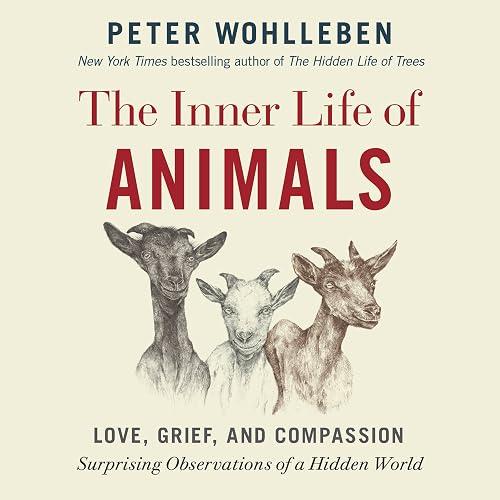
The Inner Life of Animals presents complex research on animals and the life of our ecosystem, which is not so different than ours, given that they can feel pain, experience emotions, and share other similarities with us, humans.
The Inner Life of Animals presents complex research on animals and the life of our ecosystem, which is not so different than ours, given that they can feel pain, experience emotions, and share other similarities with us, humans.
Naturally, the most popular animal for humans is the dog. Dogs are great animals and we even call them man’s best friend. While there’s no doubt that they’re intelligent beings and that we share many similarities, it seems that we’re paying little to no attention to other creatures.
This is because industries and the research that supports them aren’t trying to advertise animals like pigs or cows as intelligent beings. After all, no one wants to deepen their knowledge and develop empathy towards their future meals. Although it sounds bitter, this truth is blinding us from reality.
As humans, we must educate ourselves on all beings and develop empathy towards them. After all, we’re all creatures of the earth. Even more, recent studies suggest that they can feel emotions too and that they have complex inner lives.
When we stop categorizing them into good and bad, smart or stupid, useful or useless, we’ll realize that animals are part of our life. They help us survive and all have a purpose, just like humans. Moreover, a bit of research on this matter will teach you that animals such as pigs are also smart and even clean!
People argue that animals act based on hormones and instincts and that they do not feel emotions at all. However, when you look at humans, there’s not much evidence to suggest different behaviors. Take squirrels for example. When a mother squirrel is in danger, it’ll pull her baby away and run till it collapses out of exhaustion.
Isn’t that a mother’s behavior in any species? Mothers are known to act irrationally when it comes to their babies and protect them at all costs. This is a hormonal response, yet that doesn’t make it less valid. We do share many similarities with our fellow animal species!
Instinct comes first with animals, yet that doesn’t mean we, as humans, are less driven by it. For example, when you touch fire or something hot, you immediately pull your hand away, without your consciousness even registering that sensation first — that’s instinct.
There’s no doubt that humans love animals, and that our pets feel some sense of attachment to us as well. Whether that’s love or not, science tends to disagree that they can feel such complex emotions. Animals see us as food providers and caregivers, yet our relationship with them might be more complex than that. Even if they probably can’t feel the same way about us, that doesn’t invalidate…
Continue reading in the MinuteRead app
Get the complete 5-minute summary of The Inner Life of Animals
Get the complete summary in the appAll animals are part of our life, regardless of our classification of them and their popularity
Much like animals, human behavior is determined by hormones and instinct
Animals feel good and bad emotions, and that can help us understand and bond with them
"The Inner Life of Animals" is a strong fit if you want practical ideas around environment, psychology, relationships, especially themes like all animals are part of our life, regardless of our classification of them and their popularity; much like animals, human behavior is determined by hormones and instinct. The MinuteRead summary distills these concepts into a focused read, whether you're deciding whether to buy the book or applying its lessons at work.
Motivated to help readers with the Inner Life of Animals presents complex research on animals and the life of our ecosystem, Book 2 of 3: Mysteries of Nature wrote “The Inner Life of Animals” to package those ideas for a fast, focused read. In “The Inner Life of Animals”, Book 2 of 3: Mysteries of Nature focuses on the Inner Life of Animals presents complex research on animals and the life of our ecosystem. Through “The Inner Life of Animals”, Book 2 of 3: Mysteries of Nature distills the core i…
View all summaries by Peter Wohlleben looks at howContinue Reading
Access the complete 5-minute summary and thousands more nonfiction books in the MinuteRead app.

Continue reading the complete summary in the MinuteRead app.