MinuteRead
30 min
Book summary
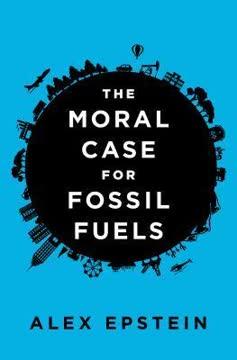
by Alex Epstein
Premium summary · Opens in the app · 30 min read
Most of us have absorbed a simple story about fossil fuels. They are dirty. They are dangerous. They are destroying the planet. We use them because we are addicted to cheap energy, and someday soon we will need to kick the habit before it kills us all. This story is so pervasive that it hardly seems like a story at all. It feels like obvious truth.
**Author:** Alex Epstein **Estimated Reading Time:** 45 minutes
### What You'll Learn
The standard story about fossil fuels says they are a necessary evil at best, a planet-destroying addiction at worst. This book challenges that story at its foundation. You will learn why cheap, plentiful, reliable energy is the bedrock of human flourishing. You will discover how fossil fuels have made our environment safer, cleaner, and more livable than at any point in human history. You will encounter a different way of thinking about energy, climate, and progress, one that puts human life at the center of the moral equation.
### Who This Book Is For
This book is for anyone who has felt uneasy about the dominant narrative on energy and climate but could not articulate why. It is for people who want to understand the full picture, not just the catastrophic headlines. It is for those who sense that something is missing from the conversation about fossil fuels and human progress. Whether you agree with the author or not, engaging with his arguments will sharpen your thinking about one of the most consequential debates of our time.
Most of us have absorbed a simple story about fossil fuels. They are dirty. They are dangerous. They are destroying the planet. We use them because we are addicted to cheap energy, and someday soon we will need to kick the habit before it kills us all. This story is so pervasive that it hardly seems like a story at all. It feels like obvious truth. Alex Epstein believes this story is not just wrong. It is catastrophically wrong. And he believes the consequences of believing it are measured in human lives. The debate about fossil fuels is not really about carbon dioxide or temperature records or melting ice sheets. Those are details within a larger framework. The real debate is about something more fundamental. It is about what we value. It is about what standard we use to judge whether something is good or bad for the world. Epstein argues that we have been using the wrong standard. The dominant framework in environmental thinking judges human impact on nature as inherently suspect. An untouched planet is the ideal. Every smokestack, every mine, every barrel of oil burned is a mark against humanity. Under this framework, fossil fuels can never be truly good. At best, they can be tolerated until we find something cleaner. But what if we used a different standard? What if we judged energy by what it does for human life? When you apply that standard, the picture changes completely. Fossil fuels have powered the greatest improvement in human well-being in history. They have lifted billions out of…
Continue reading in the MinuteRead app
Get the complete 30-minute summary of The Moral Case for Fossil Fuels
Get the complete summary in the appHuman life and flourishing are the proper standards for evaluating energy and environmental policy. Judge everything by
Energy is the master resource. Cheap, plentiful, reliable energy makes everything else possible.
Billions of people still need more energy. The moral priority is expanding energy access, not restricting it.
Fossil fuels are uniquely capable of meeting global energy needs because of their combination of cost, reliability, dens
Climate-related deaths have fallen by 98 percent as fossil fuel use has increased. We have made ourselves dramatically s
Environmental quality improves with fossil-fueled development. Wealth and technology enable environmental cleanup.
"The Moral Case for Fossil Fuels" is a strong fit if you want practical ideas around politics, science, economics, especially themes like human life and flourishing are the proper standards for evaluating energy and environmental policy. judge everything by; energy is the master resource. cheap, plentiful, reliable energy makes everything else possible. The MinuteRead summary distills these concepts into a focused read, whether you're deciding whether to buy the book or applying its lessons at work.
Alex Epstein is an American author, energy theorist, and industrial policy pundit. He founded the Center for Industrial Progress, a for-profit think tank in San Diego. Epstein's work focuses on advocating for fossil fuels and challenging mainstream environmental narratives. He has a background in philosophy, which he applies to energy debates, emphasizing human flourishing as the primary standard of value. Epstein has gained prominence as a contrarian voice in climate and energy discussions, fre…
View all summaries by Alex EpsteinContinue Reading
Access the complete 30-minute summary and thousands more nonfiction books in the MinuteRead app.

Continue reading the complete summary in the MinuteRead app.