MinuteRead
30 min
The modern world runs on energy. It powers our homes, moves our goods, fuels our transportation, and underwrites the prosperity of nations. Yet most of us rarely think about where that energy comes from, how it reaches us, or what happens when the flow is disrupted. We flip a switch and expect light. We fill a tank and expect motion. We assume the system will work because it always has.
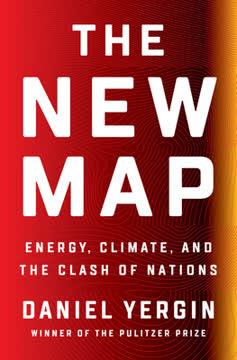
**Author:** Daniel Yergin
**Estimated Reading Time:** 45 minutes
**What You'll Learn:** How energy shapes global power, why the shale revolution changed everything, how Russia and China use energy as strategic weapons, what the new mobility revolution means for oil, and why the world order is fragmenting along energy fault lines.
**Who This Book Is For:** Anyone who wants to understand the hidden forces driving international politics, economic competition, and the future of energy. This book is for readers who sense that the world is changing beneath their feet and want a clear map of where those changes are leading.
The modern world runs on energy. It powers our homes, moves our goods, fuels our transportation, and underwrites the prosperity of nations. Yet most of us rarely think about where that energy comes from, how it reaches us, or what happens when the flow is disrupted. We flip a switch and expect light. We fill a tank and expect motion. We assume the system will work because it always has. But behind that assumption lies a vast and intricate global architecture. Pipelines cross continents. Tankers navigate contested waters. Power grids connect millions of people. And decisions made in boardrooms and presidential palaces thousands of miles away determine whether energy remains abundant or becomes scarce, whether prices stay stable or spike, whether nations cooperate or collide. Daniel Yergin has spent his career mapping this hidden architecture. His Pulitzer Prize-winning book *The Prize* traced the epic history of oil from the first well in Pennsylvania to the oil shocks of the 1970s. In *The New Map*, he turns his attention to the present moment, a period of profound transformation in how energy is produced, consumed, and weaponized. The central argument of this book is simple but far-reaching: the global energy map is being redrawn, and with it, the map of world power. The old certainties that governed international relations for decades are dissolving. New players are rising. Old rivalries are intensifying. And the very sources of energy that built the modern world are being challenged by new technologies and new imperatives. At the heart of this transformation is an unexpected development. For decades, the United States was the world's largest energy importer, dependent on foreign oil and vulnerable to supply disruptions. Then, in the span of a few years, everything changed. A combination of technological innovation, entrepreneurial risk-taking, and sheer stubbornness unlocked vast reserves of oil and natural gas trapped in shale rock formations. The United States went from energy scarcity to energy abundance, becoming the world's largest producer of both oil and gas. This shift did more than transform the American economy. It reshaped global geopolitics. It gave the United States new…
Continue reading in the MinuteRead app
Get the complete 30-minute summary of The New Map
Get the complete summary in the appThe shale revolution transformed the United States from an energy importer to the world's largest producer of oil and ga
Energy and geopolitics are inseparable. Control of energy resources is control of power.
Russia uses energy as a weapon, funding its military and projecting influence through its control of oil and gas exports
China's energy needs drive its assertive behavior in the South China Sea and its global infrastructure investments.
The Middle East's borders were drawn by colonial powers and have been contested ever since, generating persistent instab
Electric vehicles, ride-hailing, and autonomous driving could transform transportation and reduce oil's dominance.
"The New Map" is a strong fit if you want practical ideas around politics, economics, history, especially themes like the shale revolution transformed the united states from an energy importer to the world's largest producer of oil and ga; energy and geopolitics are inseparable. control of energy resources is control of power. The MinuteRead summary distills these concepts into a focused read, whether you're deciding whether to buy the book or applying its lessons at work.
Daniel Yergin is a renowned energy expert and author. He won the Pulitzer Prize for "The Prize: The Epic Quest for Oil Money and Power," a bestseller translated into 17 languages. Yergin is Vice Chairman of IHS and founder of Cambridge Energy Research Associates. He has written for major publications and produced award-winning documentaries. Yergin serves on the U.S. Secretary of Energy Advisory Board and various think tank boards. He holds a BA from Yale and a PhD from Cambridge as a Marshall S…
View all summaries by Daniel YerginContinue Reading
Access the complete 30-minute summary and thousands more nonfiction books in the MinuteRead app.

Continue reading the complete summary in the MinuteRead app.