MinuteRead
30 min
For most of human history, discovering valuable natural resources was considered an extraordinary stroke of luck. Gold, silver, diamonds, and oil promised prosperity, progress, and power. A nation sitting on vast petroleum reserves could expect to build roads, fund schools, and lift its citizens out of poverty. This assumption shaped foreign policy, guided international investment, and influenced how countries viewed their own futures.
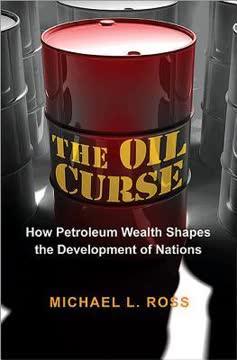
**Author:** Michael L. Ross **Estimated Reading Time:** 45 minutes
**What You'll Learn:** Why some of the world's most resource-rich countries struggle with democracy, peace, and gender equality. You will discover how petroleum wealth shapes political systems, fuels conflict, and limits women's opportunities, along with practical strategies for escaping these traps.
**Who This Book Is For:** Anyone curious about global politics, economic development, or the hidden forces that shape nations. This book is essential reading for policymakers, journalists, students of international affairs, and citizens who want to understand why oil wealth so often fails to deliver prosperity and freedom.
For most of human history, discovering valuable natural resources was considered an extraordinary stroke of luck. Gold, silver, diamonds, and oil promised prosperity, progress, and power. A nation sitting on vast petroleum reserves could expect to build roads, fund schools, and lift its citizens out of poverty. This assumption shaped foreign policy, guided international investment, and influenced how countries viewed their own futures. Then something strange happened. Beginning around 1980, the countries with the most oil began to fall behind. Not economically in the way you might expect, but politically and socially. They became less democratic. They experienced more civil wars. Their women lost ground in the workforce and in public life. The very resource that was supposed to bring freedom and prosperity seemed to be doing the opposite. Michael L. Ross spent years investigating this paradox. What he found challenges conventional wisdom about development, democracy, and the relationship between natural resources and human progress. The problem is not oil itself. The problem is what oil does to the relationship between governments and citizens, to the structure of economies, and to the social fabric of nations. The story begins with a puzzle. In the 1950s and 1960s, oil-rich countries like Venezuela, Iran, and Iraq were not dramatically different from their peers. Some were democratic. Some were not. Their economic growth rates were unremarkable. Women's participation in the workforce followed regional patterns. Nothing about petroleum wealth seemed to predict political dysfunction. Then the global oil industry transformed. Countries nationalized their oil fields. The Bretton Woods system of fixed exchange rates collapsed. OPEC emerged as a powerful cartel, and oil prices became wildly volatile. Almost overnight, governments in oil-rich countries gained access to enormous, unstable, and easily concealed revenues. The consequences rippled through every aspect of society. Ross argues that petroleum wealth has four distinctive qualities that set it apart from other sources of national income. Oil revenues are massive in scale, flowing directly to governments rather than through the hands of citizens. They are unstable, swinging wildly with global prices. They come from a source that requires little labor, meaning few citizens benefit…
Continue reading in the MinuteRead app
Get the complete 30-minute summary of The Oil Curse
Get the complete summary in the appSince 1980, oil-rich countries have been 50 percent more likely to be autocratic and more than twice as likely to experi
Oil revenues have four distinctive qualities: massive scale, direct flow to governments, high instability, and easy conc
Oil wealth breaks the fiscal social contract by allowing governments to avoid taxing citizens, removing a key pressure f
Oil wealth reduces female labor force participation by crowding out sectors that employ women, slowing progress on gende
A large fraction of the Middle East's democracy deficit can be explained by oil wealth rather than Islam.
The resource curse emerged around 1980 due to nationalization, the collapse of Bretton Woods, and the rise of OPEC.
"The Oil Curse" is a strong fit if you want practical ideas around politics, economics, political science, especially themes like since 1980, oil-rich countries have been 50 percent more likely to be autocratic and more than twice as likely to experi; oil revenues have four distinctive qualities: massive scale, direct flow to governments, high instability, and easy conc. The MinuteRead summary distills these concepts into a focused read, whether you're deciding whether to buy the book or applying its lessons at work.
Michael L. Ross is a Professor of Political Science and Director of the UCLA Center for Southeast Asian Studies. He earned his Ph.D. from Princeton University and previously taught at the University of Michigan. Ross's research focuses on political economy, democratization, and natural resources in developing countries, with a particular interest in Southeast Asia. His work on the "resource curse" examines why countries rich in natural resources often underperform economically. Ross has received…
View all summaries by Michael L. RossContinue Reading
Access the complete 30-minute summary and thousands more nonfiction books in the MinuteRead app.

Continue reading the complete summary in the MinuteRead app.