MinuteRead
30 min
Book summary
by Robert F. Kennedy Jr.
Premium summary · Opens in the app · 30 min read
In the spring of 2020, as the world locked down and Americans looked to public health officials for guidance, one figure emerged as the singular voice of pandemic authority. Dr. Anthony Fauci appeared on television daily. Presidents consulted him. Governors deferred to him. His face appeared on coffee mugs and bobbleheads. He was, by acclamation, America's doctor.
**Author:** Robert F. Kennedy Jr.
**Estimated Reading Time:** 45 minutes
**What You'll Learn:** How regulatory capture transformed America's public health agencies, why Kennedy believes Dr. Anthony Fauci became the architect of a system that serves pharmaceutical companies over patients, and what this means for medical freedom, scientific integrity, and democratic accountability.
**Who This Book Is For:** Readers concerned about institutional trust, pharmaceutical industry influence, pandemic policy, and the relationship between government regulators and the industries they oversee. This condensed edition presents Kennedy's arguments, evidence, and conclusions as he makes them, allowing readers to engage critically with one of the most controversial books of the pandemic era.
In the spring of 2020, as the world locked down and Americans looked to public health officials for guidance, one figure emerged as the singular voice of pandemic authority. Dr. Anthony Fauci appeared on television daily. Presidents consulted him. Governors deferred to him. His face appeared on coffee mugs and bobbleheads. He was, by acclamation, America's doctor. Robert F. Kennedy Jr. watched this transformation with alarm. For decades, he had been investigating the institutions Fauci led. He had filed lawsuits against federal health agencies. He had interviewed whistleblowers, reviewed internal documents, and built relationships with scientists who felt silenced. What he saw in 2020 was not a trusted public servant rising to meet a crisis. He saw the culmination of a fifty-year pattern. This book is Kennedy's attempt to document that pattern. It is an indictment, a sprawling legal brief against a man and the system he represents. Kennedy argues that Anthony Fauci did not become powerful despite the pharmaceutical industry's influence over government. He became powerful because of it. The central claim is straightforward. The agencies meant to protect Americans from dangerous drugs, ineffective treatments, and corporate malfeasance have instead become the pharmaceutical industry's most effective sales force. The Food and Drug Administration, the Centers for Disease Control and Prevention, and the National Institutes of Health were captured long ago by the companies they regulate. Fauci, as director of the National Institute of Allergy and Infectious Diseases for nearly four decades, was the architect and chief beneficiary of this arrangement. Kennedy builds his case through layers of documentation. He shows that the CDC owns vaccine patents and spends nearly half its budget purchasing and distributing vaccines. He shows that the FDA draws roughly 45 percent of its budget from pharmaceutical user fees, meaning the companies being regulated pay the regulators' salaries. He shows that NIH scientists can legally collect royalties on drugs they help develop, creating direct financial incentives for approval. These are not conspiracy theories. They are matters of public record. The book's title is deliberately provocative. Kennedy does not merely criticize…
Continue reading in the MinuteRead app
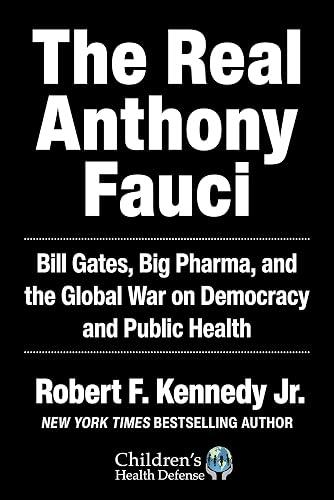
Get the complete 30-minute summary of The Real Anthony Fauci
Get the complete summary in the appRegulatory capture means agencies serve industry, not the public.
The FDA, CDC, and NIH have financial conflicts of interest that distort their decisions.
Anthony Fauci's career followed a consistent pattern: hype a threat, rush a patented product, suppress dissent.
The AZT approval was the template for everything that followed.
Vulnerable populations are targeted for research because they cannot refuse.
Bill Gates's philanthropy is also a business model that generates profit and control.
"The Real Anthony Fauci" is a strong fit if you want practical ideas around politics, health, medicine, especially themes like regulatory capture means agencies serve industry, not the public; the fda, cdc, and nih have financial conflicts of interest that distort their decisions. The MinuteRead summary distills these concepts into a focused read, whether you're deciding whether to buy the book or applying its lessons at work.
Motivated to help readers with the book's engine is "regulatory capture." Kennedy argues that the agencies meant to protect Americans became, Robert F. Kennedy Jr. wrote “The Real Anthony Fauci” to package those ideas for a fast, focused read. In “The Real Anthony Fauci”, Robert F. Kennedy Jr. focuses on the book's engine is "regulatory capture." Kennedy argues that the agencies meant to protect Americans became. Through “The Real Anthony Fauci”, Robert F. Kennedy Jr. distills the core ideas on …
Continue Reading
Access the complete 30-minute summary and thousands more nonfiction books in the MinuteRead app.

Continue reading the complete summary in the MinuteRead app.