MinuteRead
30 min
Book summary
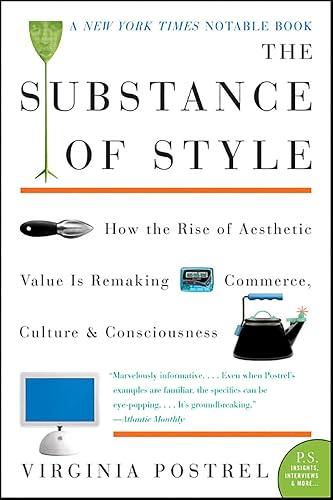
by Virginia Postrel
Premium summary · Opens in the app · 30 min read
We live in an age of surfaces. The texture of a phone case, the lighting in a coffee shop, the font on a website, the cut of a jacket. These details shape our days in ways we rarely pause to examine. We notice them constantly, yet we often dismiss them as trivial. We tell ourselves that what really matters is what lies beneath, that substance trumps style, that function beats form.
**Author:** Virginia Postrel **Estimated Reading Time:** 42 minutes
**What You'll Learn:**
Why the look and feel of things matters more than ever, how aesthetics shape identity and commerce, and what the rise of sensory experience means for how we live, work, and create.
**Who This Book Is For:**
Anyone who has ever wondered why we care so much about how things look, why design has become central to modern life, or how beauty and meaning intertwine in everyday experience.
We live in an age of surfaces. The texture of a phone case, the lighting in a coffee shop, the font on a website, the cut of a jacket. These details shape our days in ways we rarely pause to examine. We notice them constantly, yet we often dismiss them as trivial. We tell ourselves that what really matters is what lies beneath, that substance trumps style, that function beats form. Virginia Postrel argues otherwise. The central claim of this book is deceptively simple: aesthetics matter because human beings are sensory creatures. We know the world through sight, touch, smell, sound, and taste. The look and feel of our surroundings tell us who we are, where we belong, and what we value. This is not a modern indulgence. It is a fundamental aspect of human nature, present in every culture and every era, from prehistoric cave paintings to the carefully curated Instagram feeds of today. For decades, intellectuals and policymakers treated aesthetics as a luxury. The serious business of life was production, efficiency, utility. Beauty was something to be added later, if at all, once the important work was done. This attitude shaped everything from urban planning to product design. It gave us gray housing blocks and identical office cubicles. It told us that caring about appearance was shallow, even morally suspect. Postrel dismantles this prejudice with a combination of economic insight, cultural observation, and psychological research. She shows that the desire for aesthetic pleasure is not a weakness but a defining human trait. We are, in her words, "aesthetic animals." We crave sensory stimulation and meaning. We use appearance to signal identity, to create bonds, to navigate social worlds. When we deny this, we deny something essential about ourselves. The book also documents a profound shift. Over the past several decades, aesthetics have moved from the margins of economic life to its center. Companies that once competed solely on price or performance now compete on design. Consumers who once accepted standardized products now demand personalization. The rise of digital technology has accelerated this transformation, making aesthetic tools available to millions who could never have afforded them before. This shift creates new tensions. Who decides what looks good? What happens when…
Continue reading in the MinuteRead app
Get the complete 30-minute summary of The Substance of Style
Get the complete summary in the appAesthetics are a fundamental human need, present in every culture and historical period.
Surface and substance are interconnected, not opposites.
Aesthetic choices express identity at both personal and social levels.
The rise of look and feel is transforming commerce and culture.
Technology is democratizing aesthetic expression, lowering barriers to design.
The age of aesthetics demands both smart and pretty.
"The Substance of Style" is a strong fit if you want practical ideas around design, business, sociology, especially themes like aesthetics are a fundamental human need, present in every culture and historical period; surface and substance are interconnected, not opposites. The MinuteRead summary distills these concepts into a focused read, whether you're deciding whether to buy the book or applying its lessons at work.
Motivated to help readers with human beings know the world, Virginia Postrel wrote “The Substance of Style” to package those ideas for a fast, focused read. In “The Substance of Style”, Virginia Postrel focuses on human beings know the world. Through “The Substance of Style”, Virginia Postrel distills the core ideas on design into lessons readers can absorb in a single short sitting. Readers turn to this work when they want Virginia Postrel's perspective on the subject without working through th…
Continue Reading
Access the complete 30-minute summary and thousands more nonfiction books in the MinuteRead app.

Continue reading the complete summary in the MinuteRead app.