MinuteRead
30 min
Book summary
Premium summary · Opens in the app · 30 min read
Imagine a society where the boardrooms of the largest corporations include people of every race, every ethnicity, every gender identity. Imagine universities where the student body mirrors the demographic makeup of the nation. Imagine a world where every culture is celebrated, every heritage honored, every identity affirmed.
**Author:** Walter Benn Michaels **Estimated Reading Time:** 45 minutes
**What You'll Learn:**
Why the celebration of diversity has replaced the fight against inequality, how this shift benefits the wealthy, and what it would actually mean to build a society organized around economic justice rather than cultural recognition.
**Who This Book Is For:**
Readers who sense that something is missing from contemporary discussions of race, class, and social justice. Anyone who has wondered why poverty persists even as diversity initiatives multiply. People willing to question whether celebrating difference is the same as fighting injustice.
Imagine a society where the boardrooms of the largest corporations include people of every race, every ethnicity, every gender identity. Imagine universities where the student body mirrors the demographic makeup of the nation. Imagine a world where every culture is celebrated, every heritage honored, every identity affirmed. Now imagine that in this same society, the gap between rich and poor has never been wider. Imagine that a small fraction of the population controls more wealth than the bottom half combined. Imagine that millions of people work full-time jobs and still cannot afford housing, healthcare, or basic security. These two visions are not contradictory. In fact, they describe the world we are already building. Walter Benn Michaels argues that something strange has happened to the way we think about social justice. For most of American history, the left was defined by its commitment to economic equality. The great struggles were over wages, working conditions, the distribution of wealth, the power of capital over labor. Race and gender discrimination were understood as tools that served economic exploitation, ways of dividing workers and justifying inequality. Today, the situation has reversed. The left is defined by its commitment to diversity, to the recognition and celebration of difference. We talk endlessly about representation, about inclusion, about making sure that every identity group has a seat at the table. What we do not talk about is why the table itself is so unevenly set. Michaels is not arguing that racism is over or that discrimination no longer matters. His argument is more unsettling. He suggests that our focus on diversity actually serves the interests of the wealthy and powerful. It allows society to feel progressive while leaving the fundamental structures of economic inequality untouched. It transforms political questions about who has money and power into cultural questions about who is recognized and respected. Consider what has happened to the meaning of the word "inequality" itself. When politicians and pundits talk about inequality today, they often mean the underrepresentation of certain groups in elite institutions. They mean that there are not enough women CEOs, not enough Black executives, not enough Latino lawyers. The solution…
Continue reading in the MinuteRead app
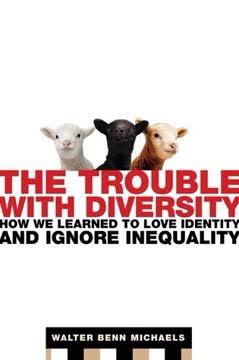
Get the complete 30-minute summary of The Trouble with Diversity
Get the complete summary in the appDiversity has replaced equality as the dominant framework for social justice.
The focus on diversity distracts from economic inequality.
Race is a social construct, not a biological reality, but we have transformed it into a cultural identity.
Anti-racism, as practiced today, often serves conservative ends by legitimizing inequality.
Universities are engines of inequality that reproduce the class structure.
The emphasis on cultural identity is a distraction from economic disparity.
"The Trouble with Diversity" is a strong fit if you want practical ideas around politics, sociology, race, especially themes like diversity has replaced equality as the dominant framework for social justice; the focus on diversity distracts from economic inequality. The MinuteRead summary distills these concepts into a focused read, whether you're deciding whether to buy the book or applying its lessons at work.
Walter Benn Michaels is an American literary theorist and author known for his controversial views on identity politics and economic inequality. He holds a PhD in English and has worked as a professor at various universities. Michaels is best known for his book "The Trouble with Diversity," which argues that the focus on cultural diversity distracts from addressing economic injustice. His writing style is described as competent but sometimes verbose and repetitive. Michaels' work often challenge…
View all summaries by Walter Benn MichaelsContinue Reading
Access the complete 30-minute summary and thousands more nonfiction books in the MinuteRead app.

Continue reading the complete summary in the MinuteRead app.