MinuteRead
30 min
Book summary
Premium summary · Opens in the app · 30 min read
We live in an age of unprecedented abundance. We have access to more food, more entertainment, more information, and more convenience than any generation in human history. We carry devices in our pockets that can summon a car, order a meal, play any song ever recorded, and connect us instantly with anyone on the planet. By almost every material measure, we should be the happiest people who have ever lived.
**Author:** Heather Havrilesky **Estimated Reading Time:** 45 minutes
**What You'll Learn:**
- Why the relentless pursuit of more leaves us feeling empty - How our culture manufactures dissatisfaction and then sells us the cure - Why embracing imperfection may be the most radical act available to you - How to find genuine contentment in a world designed to make you restless
**Who This Book Is For:**
This book is for anyone who has ever felt that nagging sense that something is missing, despite having so much. It is for the person who scrolls through social media and feels their life shrink in comparison to the highlight reels of others. It is for the exhausted striver who has achieved goals only to find the satisfaction evaporate almost immediately. It is for anyone tired of being told to smile, to hustle, to optimize, to become their best self. If you have ever wondered whether the problem is not you but the impossible standards you are being asked to meet, this book will feel like a conversation with a wise and honest friend.
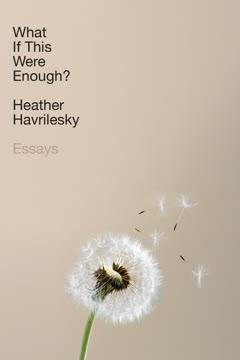
We live in an age of unprecedented abundance. We have access to more food, more entertainment, more information, and more convenience than any generation in human history. We carry devices in our pockets that can summon a car, order a meal, play any song ever recorded, and connect us instantly with anyone on the planet. By almost every material measure, we should be the happiest people who have ever lived. And yet we are not. Instead, we are anxious. We are restless. We are perpetually dissatisfied. We feel, despite all our advantages, that something essential is missing. We scroll through images of other people's lives and feel a quiet ache of inadequacy. We achieve goals we set for ourselves and find the victory hollow. We buy things we wanted and discover the wanting was more satisfying than the having. We are told constantly that we should be happy, that happiness is a choice, that if we just tried harder, thought more positively, or bought the right things, we would finally feel complete. Heather Havrilesky wrote "What If This Were Enough?" as a direct challenge to this exhausting cultural mandate. Her argument is simple but profound: the problem is not that you are failing to be happy. The problem is that our culture has created an impossible definition of happiness and then blamed individuals for not achieving it. Havrilesky brings a unique perspective to this critique. As the writer of the popular advice column Ask Polly, she has spent years reading letters from people who are struggling, confused, and ashamed of their struggles. She has noticed patterns in these letters. The…
Continue reading in the MinuteRead app
Get the complete 30-minute summary of What If This Were Enough?
Get the complete summary in the appYour dissatisfaction is not a personal failing but a reasonable response to a culture that manufactures lack.
The pressure to be constantly happy is a form of tyranny that denies the reality of human emotional experience.
Social media presents curated performances, not realities. Comparing yourself to these performances is a recipe for mise
The economy depends on your dissatisfaction. The cycle of wanting and acquiring never leads to lasting fulfillment.
The performance of perfection is exhausting and isolating. Everyone is performing, which means no one feels safe being a
True romance is about acceptance, not perfection. It is about loving and being loved despite flaws.
"What If This Were Enough?" is a strong fit if you want practical ideas around essays, self help, memoir, especially themes like your dissatisfaction is not a personal failing but a reasonable response to a culture that manufactures lack; the pressure to be constantly happy is a form of tyranny that denies the reality of human emotional experience. The MinuteRead summary distills these concepts into a focused read, whether you're deciding whether to buy the book or applying its lessons at work.
Heather Havrilesky is a respected author and advice columnist known for her popular Ask Polly column on Substack. She has written several books, including "What If This Were Enough?", "How to Be a Person in the World", and "Disaster Preparedness". Havrilesky's work has been featured in prestigious publications such as the New Yorker, the Atlantic, and the New York Times Magazine. She also contributes to NPR's All Things Considered and maintains the Ask Molly newsletter. Beyond her writing career…
View all summaries by Heather HavrileskyContinue Reading
Access the complete 30-minute summary and thousands more nonfiction books in the MinuteRead app.

Continue reading the complete summary in the MinuteRead app.